
50+
Years of Experience
24/7
Service & Support
700+
Projects Completed Annually
950+
AV Brands Supported
Clear Communication Across Your Entire Facility
Ford AV designs and integrates commercial public address and paging systems around your facility’s communication goals, from zone paging to facility-wide announcements, with optional mass notification integration. Our team helps you:
- Deliver clear announcements
- Page zones or the whole facility
- Connect to mass notification
- Cover indoor and outdoor areas
- Manage multiple sites
- Expand over time
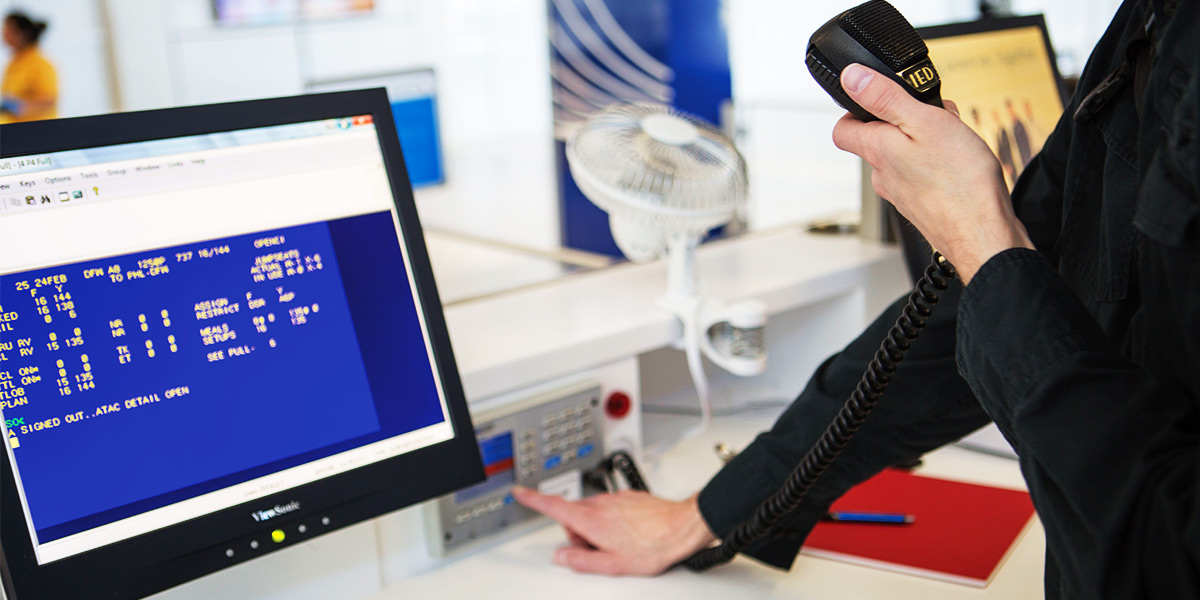
628
Speakers paging across new terminal areas at Harry Reid International Airport.
What Is a Public Address and Paging System?
A public address (PA) system captures a voice or recorded message, amplifies it and delivers it through speakers so people can hear it clearly. A paging system directs those announcements to specific zones, such as one wing, a loading dock or an entire campus.
Together they let staff share routine updates, locate people and deliver urgent instructions. Modern systems can also connect to phones, intercoms, schedules and mass notification platforms.
PA vs. Paging at a Glance
Public Address system: the complete audio chain of microphones, processing, amplifiers and speakers.
Paging: sending a message to selected zones or groups.
In practice: most commercial systems do both.
How a Public Address and Paging System Works
Every system follows the same signal path, whether it is a single building or a large-scale sound system.
- 1
Sources
Microphones, paging stations, phones, recorded messages and notification software start every announcement.
- 2
Control and Processing
Routes messages to the appropriate zones, manages priorities, and adjusts audio for clear, intelligible paging.
- 3
Amplification
Provides the power needed to drive the speakers.
- 4
Distribution
Carries the audio to each zone.
- 5
Speakers
Ceiling, wall, horn and outdoor speakers deliver clear sound where people need it.

Analog vs. IP in one line
Analog systems typically use dedicated cabling to distribute audio, while IP paging systems can use an existing network to carry audio, potentially reducing the need for additional cabling. Multicast can deliver audio to multiple speakers at once, while SIP allows compatible phones and software to initiate pages.
Key Components
Types of Paging Systems
Most commercial systems fall into four categories. The best fit depends on your existing wiring, network, zone count and growth plans.
Analog
Constant-Voltage (70V)
A central amplifier drives passive speakers over 70V (or 100V) lines, with zones set by wiring and switching.
Best for: existing wiring and simple, proven coverage.
IP / Network
IP and SIP Paging
Audio travels over your network to IP speakers and amplifiers, often PoE-powered, with zones defined in software.
Best for: multi-building growth and flexible zones.
Hybrid
Analog and IP Combined
IP control and distribution feed existing analog speakers through adapters or IP amplifiers.
Best for: phased upgrades that reuse wiring.
Networked Audio
DSP-Based Systems
Digital signal processors and networked audio manage many zones, priorities and features like noise compensation.
Best for: airports, campuses and large venues.
Many facilities mix approaches, such as keeping analog speakers while moving control to IP. Ford AV reviews your wiring, network and goals before recommending an architecture. Learn more in our IP paging guide.
Benefits of Commercial Public Address and Paging Systems
Every Ford AV system is planned around coverage, speech clarity, daily operations and future growth.
Clear Announcements
Speaker placement and tuning keep messages understandable in busy or noisy spaces.
Zoned or Facility-Wide Paging
Reach one area, a whole building or an entire campus.
Critical Communication
Coordinate with mass notification platforms to deliver urgent instructions.
Consistent Operations
Centralized controls help staff deliver messages the same way every time.
Built to Scale
Add zones, buildings and sites without starting over.
Not sure where to start?
Tell us about your facility and we will help plan your project.
Public Address & Paging Environments
Clear, timely announcements wherever people need them.
Public Address & Paging Experience
Public address and paging in some of the nation’s busiest facilities.
Harry Reid International Airport
628 speakers, ambient noise–adaptive volume and microphone paging stations.
DFW International Airport
Distributed audio, ambient noise compensation and networked control.
Presbyterian Health Sim Center
Ceiling speakers, wireless microphones and networked overhead paging.
Public Address & Paging Process
From first conversation to long-term support, coordinated with your facility, IT and security teams.
01
Needs Assessment
Facility, acoustics, coverage goals and existing systems.
02
Design and Engineering
Speakers, zones, networks and integrations.
03
Installation and Programming
Professional install, configuration and network integration.
04
Testing and Training
Coverage and speech-clarity testing, plus staff training.
Technology Selected for Your Requirements
Ford AV supports more than 950 AV brands. Relevant public address, paging and notification examples include:





Final selection depends on project requirements, compatibility and availability. Brand names and logos are trademarks of their respective owners.
Related Technologies
Public address and paging often work alongside other systems. Read our IP paging and intercom guide or mass notification overview.
Mass Communication Systems
Audio, visual alerts and notification software working together.
Digital Signage
Reinforce spoken messages on screen.
Security and Surveillance
Connect communication with video and access control.
Sound Systems
Distributed audio, speaker design and acoustics.
IT and Networks
Infrastructure for IP-connected AV and paging.
Command Centers
Integrated communications and control room technology.
Why Choose Ford AV for Public Address & Paging
One partner for acoustic design, infrastructure, controls and long-term support.
Integrated Expertise
Paging, networks, security and displays planned together.
Engineering-Led Design
Coverage, acoustics and speaker placement engineered for your space.
Nationwide Resources
Regional offices and a national network for single or multi-site projects.
Ongoing Support
24/7 support, maintenance and managed services.
Public Address & Paging FAQs
Common questions from facility, IT, security and operations leaders.
What is a public address (PA) system?
How does a PA system work?
What is the difference between a PA system and a paging system?
What are the types of paging systems?
What is an IP paging system?
Can paging integrate with emergency or mass notification?
Can an existing paging system be upgraded?
What affects the cost of a commercial PA system?
Contact Ford AV
Plan Your Public Address and Paging Project
Tell us about your facility, existing systems and goals, and we will help plan your project.


Ford AV Nationwide Offices
Atlanta • Austin • Dallas • Denver • Honolulu • Houston
Las Vegas • New York City • Oklahoma City • Orlando • Phoenix
Salt Lake City • San Antonio • San Francisco • Tulsa • Washington D.C.
Sales: Monday – Friday,
8:00 AM – 5:00 PM
Support: Available 24/7